Araştırma Makalesi
Derleme
Amaç ve Kapsam
Dünya İnsan Bilimleri Dergisi (World Journal of Human Sciences) yılda iki kez (Temmuz – Ocak) yayımlanan uluslararası, multidisipliner, hakemli, bilimsel bir dergidir. Dergi çokdisiplinli bir akademik dergi niteliğine sahip olup, insan bilimlerinin her alanında, nitelikli araştırma ve derleme makalelerini bilim dünyası ile buluşturmayı hedefler.
World Journal of Human Sciences is an international multidisciplinary peer-reviewed journal published twice a year (July-January). The journal is a multi-disciplinary academic journal and aims to bring together quality research and compilation articles in the human sciences to the world of science.
İNSAN - Dünya İnsan Bilimleri Dergisi - международный междисциплинарный рецензируемый научный журнал, издаваемый два раза в год (июль — январь). Междисциплинарный академический журнал стремится донести квалифицированные исследования по всем отраслям гуманитарных наук до научного сообщества. Каждая статья, поступаемая в журнал, перед публикацией проходит двойное рецензирование.
The review procedure
“Double Open Peer Review” procedure is applied in our journal. All articles submitted in our journal go through the "Double Open Referee" review process.
All articles submitted to our journal, which is an international refereed academic journal, are first subject to editorial review in terms of form and content. Articles whose editorial review process is completed positively are sent to at least 2 referees who are experts in their fields. In case of conflict between the two referee reports, the article is sent to a third referee. The article that receives a consent report from at least 2 referees is included in the publication process.
“Bilgi insanlığın ortak malıdır” ilkesinden yola çıkan dergimiz, Açık Erişimli bir dergidir. Bu bağlamda, dünya genelinde, insan bilimlerinin her alanında araştırma yapan bilim insanlarına, araştırmalarını insanlığın faydasına sunabilecekleri nitelikli bir akademik platform olabilme idealiyle yola çıkmıştır. Dergiye gönderilen her makale, yayımlanmadan önce çift-kör hakemlik sürecinden geçer.
Our journal is an Open
Access journal and based on the principle of "Knowledge is the common heritage
of humanity". It has set out with the ideal of becoming a qualified
academic platform for researchers worldwide who can conduct research in all
areas of human sciences, to the benefit of humanity. Every article submitted to
the Journal, passes through the double-blind peer review process prior to
publication.
The review procedure
“Double Open Peer Review” procedure is applied in our journal. All articles submitted in our journal go through the "Double Open Referee" review process.
All articles submitted to our journal, which is an international refereed academic journal, are first subject to editorial review in terms of form and content. Articles whose editorial review process is completed positively are sent to at least 2 referees who are experts in their fields. In case of conflict between the two referee reports, the article is sent to a third referee. The article that receives a consent report from at least 2 referees is included in the publication process.
Yazım Kuralları
MAKALE YAZIM KURALLARI
Yazım Dili ve Sayfa Yapısı:
- Yazım dili Türkçe, İngilizce, Almanca, Rusça ve Türk Dünyasında kullanılan bütün dillerdir. Yazı karakteri olarak Times New Roman seçilmeli, sayfa yapısında tüm kenar boşlukları 2,5 cm olacak şekilde ayarlanmalıdır.
- MS Word dokümanı olarak ve 1,5 satır aralığında hazırlanmalıdır.
Metin Yapısı:
Başlıklar metin içinde Makale Başlığı, Yazar Adı, Özetler, Anahtar Kelimeler, Giriş, konu başlıkları ve alt başlıkları, Sonuç, Kaynakça şeklinde sıralanmalıdır.
- Makale başlığı (14 Punto/Koyu) sayfa ortalanarak yazılacaktır.
- Yazar adı, yazara ait kişisel bilgilere yer verilmeksizin makalenin başlığı altına sağa yaslı olarak yazılacaktır.
- Yazara ait kişisel bilgiler, yazarın unvanı, bağlı bulunduğu kurum, elektronik posta adresi, ilk sayfada sayfa altı dipnotu (*) olarak verilecektir (Birden fazla yazar varsa birinci yazar için bir, diğerleri için artan miktarda yıldız kullanınız).
- Metin, Times New Roman ve 12 punto; dipnotlar ise aynı fontla fakat 10 punto ile yazılmalıdır (Açıklamalar dışında dipnot kullanılmamalıdır. Metin atıfları, metnin içinde ve APA yazım sistemine uygun olarak, aşağıda belirtildiği gibi yazılmalıdır).
- Makaleler, Giriş, Alt Başlıklar ve Sonuç bölümlerinden oluşmalıdır.
- Makalelerde sayfa sınırlaması bulunmamakla birlikte, sayfa sayısının makul ölçülerde olması beklenir.
Kaynakça Yazım Kuralları:
Makale tam metinleri APA sistemine uygun olarak hazırlanmalıdır. Kullanılacak APA sistemi sürümü en genel hatlarıyla:
- Yazarların soyadlarının alfabetik sıralaması esas alınır.
- Önce yazarın soyadı yazılır ve virgül konur. Yazarların soy isimleri Baş harf büyük harflerle yazılır.
- Yazarın isminin baş harfi (büyük harfle) yazılıp, nokta konur.
- Parantez içinde eserin yayınlandığı tarih yazılır, parantez kapatılır ve nokta konur.
- Eserin tam ismi yazılır ve nokta konur.
- Eser kitap ise eserin ismi italikle yazılır. Çalışma makale ise derginin adı italikle yazılır.
- Eserin yayınlandığı şehir yazılıp iki nokta üst üste konur.
- Yayınevinin adı yazılır.
Bu açıklamaların ışığında farklı türden akademik eserleri içeren APA (5) sürümüne uygun olarak hazırlanmış ayrıntılı bir örnek kaynakça:
Örnek Kaynakça
Arslan, D. A. (2018). Sosyal bilimlerde araştırma yöntem ve teknikleri. Çanakkale: Paradigma Akademi Yayınları.
Arslan, D. A. ve Arslan, G. (2017-a). Kültür, sanat, edebiyat, sosyolojisi. Çanakkale: Paradigma Akademi Yayınları.
Arslan, D. A. (2017-b). Samsun ve Orta Karadeniz bölgesinde göçün sosyolojik tahlili. VII. Uluslararası Canik Sempozyumu: “Geçmişten Günümüze Şehir Göç”, 16-18 Şubat, Samsun, Türkiye, 2017.
Arslan, D.A. (2012-a). Yerel seçim sonuçları temelinde Mersin’in siyasi yapısı. International Journal of Human Sciences, 9-2, 916-968.
Arslan, D. A. (2012-b). Geçmişten geleceğe Kağızman’ın siyasi yapısı: Yerel seçim sonuçları temelinde Kağızman’ın siyasi yapısının sosyolojik analizi. Sosyoloji içinde (587-606). Geçmişten Geleceğe Her Yönüyle Kağızman Sempozyumu Kars.
Arslan, D.A. (2012-c). Mersin Milletvekilleri’nin sosyolojik profilleri. International Journal of Human Sciences, 9-2, 587-622.
Arslan, D. A. (2011-a). Who rules Turkey: Turkish power elite. Berlin: LAP LAMBERT Academic Publishing.
Arslan, D. A. (2011-b). Uygulamalı köy sosyolojisi: Kırsal yapı ve kalkınma dinamikleri ile 17 öncesi ve sonrası Ankara Kavaközü. Mersin: Mersin Üniversitesi Yayınları.
Arslan, D. A. (2005). Educational bases of Turkish democracy: Educational backgrounds of Turkish elites. Sosyoloji Araştırmaları Dergisi (Journal of Sociological Research), 8-1, 5–30.
Arslan, D. A. (2004-c). Türk medya elitleri: bir durum tespiti. Sosyoloji Araştırmaları Dergisi (Journal of Sociological Research), 4-2, 135–164.
Bozkurt, Ö. (1972). Ayrımsal sosyoloji ve toplumsal yapı. Ankara: Sevinç Matbaası.
Buğra, A. (1995). Türkiye’de devlet ve işadamları. İstanbul: İletişim Yayınları.
Bulmer, M. (1994). Sociological research methods. London: Macmillan.
Cüceloğlu, D. (200). İnsan ve davranışı. Ankara: Remzi Kitabevi.
Nirun, N. (1991). Sosyal dinamik bünye analizi. Ankara: Atatürk Kültür Merkezi Yayını.
Ozankaya, Ö. (1971). Köyde toplumsal yapı ve siyasal kültür. Ankara: Sevinç Matbaası.
ARTICLE WRITING RULES
Writing Language and Page Layout:
- The language of writing is Turkish, English, Russian and all the languages used in the Turkish World. Times New Roman should be chosen as the font, and all margins in the page structure should be set to 2.5 cm.
- It should be prepared as an MS Word document and with 1.5 line spacing.
Text Structure:
Title, Abstract, Key Words, Introduction, Subject Headings and Subheadings, Result, References.
- The title of the paper (14 pt. / dark) will be written on the center of the page.
- The name of the author shall be written right under the heading of the article without any personal information of the author.
- Personal information belonging to the author, the title of the author, the institution to which it is affiliated, the e-mail address, and the footnote (*) on the first page (if there are multiple authors, use one for the first author and a star for the others).
- Text, Times New Roman and 12 pt.; Footnotes should be typed with the same font but with 10 points (Footnotes should not be used except for the descriptions.) Text citations should be written in the text and in accordance with the APA writing system, as follows.
- Your notification must consist of Entries, Subheadings and Conclusion sections.
- There are no page limitations.
Sample References:
Arslan, D. A. (2018). Sosyal bilimlerde araştırma yöntem ve teknikleri. Çanakkale: Paradigma Akademi Yayınları.
Arslan, D. A. ve Arslan, G. (2017-a). Kültür, sanat, edebiyat, sosyolojisi. Çanakkale: Paradigma Akademi Yayınları.
Arslan, D. A. (2017-b). Samsun ve Orta Karadeniz bölgesinde göçün sosyolojik tahlili. VII. Uluslararası Canik Sempozyumu: “Geçmişten Günümüze Şehir Göç”, 16-18 Şubat, Samsun, Türkiye, 2017.
Arslan, D.A. (2012-a). Yerel seçim sonuçları temelinde Mersin’in siyasi yapısı. International Journal of Human Sciences, 9-2, 916-968.
Arslan, D. A. (2012-b). Geçmişten geleceğe Kağızman’ın siyasi yapısı: Yerel seçim sonuçları temelinde Kağızman’ın siyasi yapısının sosyolojik analizi. Sosyoloji içinde (587-606). Geçmişten Geleceğe Her Yönüyle Kağızman Sempozyumu Kars.
Arslan, D.A. (2012-c). Mersin Milletvekilleri’nin sosyolojik profilleri. International Journal of Human Sciences, 9-2, 587-622.
Arslan, D. A. (2011-a). Who rules Turkey: Turkish power elite. Berlin: LAP LAMBERT Academic Publishing.
Arslan, D. A. (2011-b). Uygulamalı köy sosyolojisi: Kırsal yapı ve kalkınma dinamikleri ile 17 öncesi ve sonrası Ankara Kavaközü. Mersin: Mersin Üniversitesi Yayınları.
Arslan, D. A. (2005). Educational bases of Turkish democracy: Educational backgrounds of Turkish elites. Sosyoloji Araştırmaları Dergisi (Journal of Sociological Research), 8-1, 5–30.
Arslan, D. A. (2004-c). Türk medya elitleri: bir durum tespiti. Sosyoloji Araştırmaları Dergisi (Journal of Sociological Research), 4-2, 135–164.
Bozkurt, Ö. (1972). Ayrımsal sosyoloji ve toplumsal yapı. Ankara: Sevinç Matbaası.
Buğra, A. (1995). Türkiye’de devlet ve işadamları. İstanbul: İletişim Yayınları.
Bulmer, M. (1994). Sociological research methods. London: Macmillan.
Cüceloğlu, D. (200). İnsan ve davranışı. Ankara: Remzi Kitabevi.
Nirun, N. (1991). Sosyal dinamik bünye analizi. Ankara: Atatürk Kültür Merkezi Yayını.
Ozankaya, Ö. (1971). Köyde toplumsal yapı ve siyasal kültür. Ankara: Sevinç Matbaası.
Etik İlkeler ve Yayın Politikası
The review procedure
As the author (s) of the article sent to Dünya İnsan Bilimleri Dergisi - World Journal of Human Sciences, I / we accept the following conditions:
1. The article sent to the journal is the original work of the author (s),
2. The relevant authors participated in this study individually and they took all the responsibility for this study,
3. All authors have seen and approved the final version of the submitted article,
4. The article is not published elsewhere or presented for printing,
5. The text, figures and documents in the article do not violate the copyrights of other persons,
6. While the referee process, which started after the editorial review on the submitted article, continues, it will not be able to withdraw the article arbitrarily,
7. They accept and undertake to transfer all kinds of public transmission rights including processing, reproduction, representation, printing, publication, distribution and transmission via internet to the World Journal of Human Sciences.
I / We undertake / undertake that the journal publishing our article has no responsibility and all responsibility belongs to the author (s) for claims or lawsuits to be filed by third parties due to copyright infringement. In addition, I / We undertake that there are no criminal elements or statements against the law in the article, that no illegal materials and methods are used during the research and that the ethical rules are followed.
The Copyright Transfer Form given on the main page must be signed and uploaded to the journal system (it can be scanned or picture jpg etc.).
Ücret Politikası
Dünya İnsan Bilimleri Dergisi yayın sürecinde herhangi bir ücret talep etmemektedir.
World Journal of Human Sciences does not charge any fees during the publication process.
Dizinler



Dergi Kurulları
Dergi Kurulu

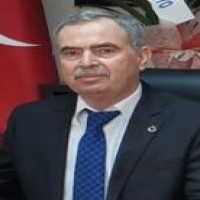
İstanbul Üniversitesi Tarih bölümünü bitirdi. Yüksek lisans ve Doktora eğitimini de İstanbul Üniversitesinde tamamladı. İstanbul Üniversitesi, Sakarya Üniversitesi ve Ankara Yıldırım Beyazıt Üniversitesinde çalıştı. Almanya'da Bochum Ruhr Üniversitesinde misafir öğretim üyeliği ve ATAM'da Bilimsel yardımcı olarak görev yapan Kenan Olgun, halen Ankara Yıldırım Beyazıt Üniversitesinde öğretim üyesi olarak çalışmaktadır.


Türkçe,İngilizce,Azerbaycan Türkçesi
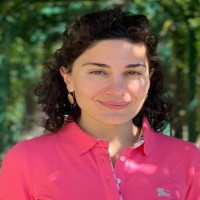
She had worked in the Grand National Assembly of Turkey as a Parliamentary Advisor, between 2005 and 2015. Also she had worked as a researcher in Security Studies Department of SETA (2015-2017) and as a senior consultant in ThinkTech of STM (2017-2018) where she was responsible of wargaming as well as conducting research on issues related to defense, security and intelligence such as air and missile defense systems, UAV technology, cyber threats and military spending. As of May 2018, Seren has been working as an Assistant Professor in Ankara Yıldırım Beyazıt University (Department of International Relations) and also as a visiting scholar teaching both at the graduate and postgraduate school of National Defense University.
Seren got acceptance to the “U.S. Legislative Fellow” Program which was co-sponsored by Freedom House and the National Democratic Institute and funded by the U.S. Department of State. Besides, selected as a member of the “Atlantic Council’s Young Atlanticist” NATO Working Group and attended the GLOBSEC Bratislava as well as to NATO Young Atlanticist Summit held on the outskirts of the NATO Summit in Chicago. Additionally, chosen for the “First Middle-East Generational Ambassadors Summit” hosted by Richardson Center, co-sponsored by Aspen Institute, also to the “Youth Ministerial Meeting”, organized by Atlantic Treaty Association in collaboration with NATO Public Diplomacy Division. Furthermore, chosen for the “2017 Munich Young Leaders”, a joint initiative of the Körber Foundation and Munich Security Conference, and also for “2018 Taiwan International Elite Leadership” by the Ministry of Foreign Affairs, ROC (Taiwan). Also, selected as “2019 Southeast Asian Young Leader” and invited to participate in the 18th IISS Shangri-La Dialogue.
She holds a B.A. in Political Science and Public Administration from Bilkent University and an M.A. in European Union from Başkent University while pursuing her Erasmus Scholarship at Rheinische Friedrich Wilhelms Universität Bonn, Germany. She entered International Security and Terrorism Department’s Ph.D. program in the Turkish Military Academy and completed the program but then attended to Turkish Police Academy as a Ph.D. candidate where she defended her doctoral dissertation on strategic intelligence and national security.
TELİF HAKKI VE YAZAR ETİK SÖZLEŞMESİ FORMU - Copyright and Author Ethical
Telif Hakkı Devri Formu imzalanıp, (taratılıp veya resim jpg. vs olabilir) makale başvuru esnasında Dergi sistemine yüklenmelidir.
This Copyright Agreement Form must be signed by all authors and uploaded to the Journal system (It can be scanned and sent as an image, jpg, etc.).